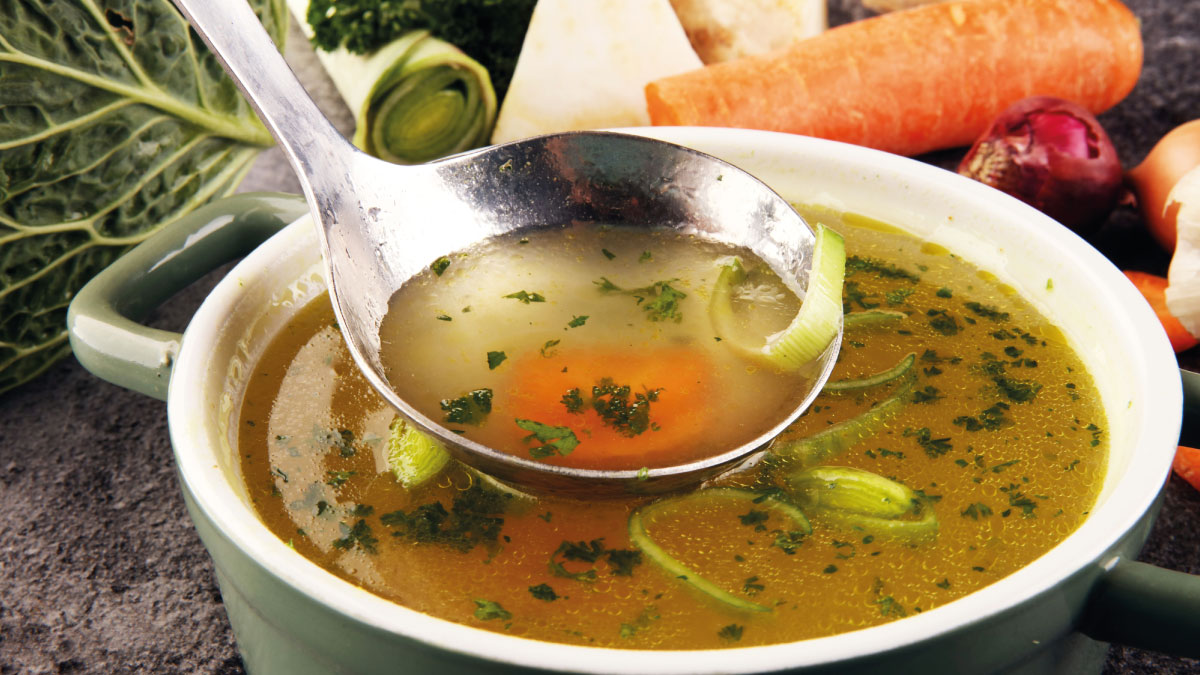
A great stock is the quiet foundation of exceptional home cooking. While store-bought cartons offer convenience on busy weeknights, they often rely on excessive sodium, industrial yeast extracts, and artificial flavor enhancers to make up for a lack of real body and depth. A stock crafted slowly on your own stovetop yields something commercial alternatives cannot replicate: a liquid rich in natural gelatin, fragrant with sweet root vegetables, and complex enough to elevate everyday soups, pan sauces, braises, and grains.
Building an extraordinary stock requires no formal culinary schooling, but it does require an understanding of how heat, water, time, and basic pantry ingredients interact. Once you understand the underlying mechanics of extraction, you can turn humble scraps and inexpensive cuts into liquid gold.
The Core Building Blocks of Every Great Stock
Every classic stock rests on three fundamental components: cold liquid, structural proteins or base vegetables, and an aromatic mixture. Balancing these elements correctly ensures that your finished liquid is neither thin and watery nor heavy and muddy.
-
Water: Always start with cold, filtered tap water. Cold water dissolves soluble proteins slowly and evenly, drawing them out into the liquid before the pot reaches a simmer. Starting with hot water coagulates these proteins instantly, locking them inside the bones and clouding your broth.
-
Bones and Cartilage: When making poultry, beef, or veal stock, collagen is your best friend. As collagen breaks down under gentle heat, it turns into gelatin. Gelatin gives a finished stock that luxurious, lip-coating mouthfeel that sets firmly in the refrigerator. Focus on joint-heavy cuts such as chicken wings, necks, backs, and feet, or beef knuckle, neck, and oxtail bones.
-
Mirepoix: The traditional French aromatic trio consists of two parts yellow onion, one part carrot, and one part celery by weight. This ratio supplies the right balance of sweet, earthy, and savory notes. For pale stocks where color must remain neutral, you can swap carrots for leeks or parsnips.
-
Aromatics and Herbs: A traditional bouquet garni ties together fresh flat-leaf parsley stems, a few sprigs of fresh thyme, and a dried bay leaf, occasionally accented by black peppercorns. Parsley stems carry far more concentrated flavor than the delicate leaves and do not turn bitter during an extended simmer.
Resist the temptation to add salt during the extraction phase. As stock simmers, water evaporates and concentrates the liquid. If you salt the pot early, a long reduction can leave you with an intensely salty liquid that ruins any sauce or soup base you build later. Keep your base stock unsalted and season the final dish to taste instead.
White Stock Versus Brown Stock
In classical cooking, bone stocks fall into two broad categories: white stocks and brown stocks. The difference lies entirely in how you prepare the ingredients before they meet the water.
Making a Delicate White Stock
White stocks are pale, clean, and mild, making them ideal for light poultry soups, risotto, vegetable veloutés, and poached seafood dishes.
-
Blanch raw bones in boiling water for five to eight minutes until a gray foam floats to the surface.
-
Drain the bones completely and rinse away coagulated surface proteins under cold running water.
-
Clean your stockpot thoroughly to remove any clinging residue.
-
Return the rinsed bones to the clean pot, cover with fresh cold water, and bring gently to a low simmer.
-
Add raw mirepoix during the later stages of cooking so the vegetables do not over-soften and break apart.
Blanching strips away impurities and prevents cloudiness, leaving you with a crystal-clear, shimmering broth.
Developing Deep Flavor in a Brown Stock
Brown stocks are robust, deeply aromatic, and dark, serving as the backbone for hearty beef stews, French onion soup, and rich reductions.
-
Roast bones on a heavy sheet pan in an oven preheated to 400 degrees Fahrenheit to 425 degrees Fahrenheit for 45 to 60 minutes until uniformly dark brown.
-
Add your mirepoix to the roasting pan during the final twenty minutes of roasting to caramelize the natural sugars in the onions and carrots without burning them.
-
Transfer the roasted bones and vegetables to your stockpot.
-
Pour off excess rendered fat from the roasting pan, then place the pan over medium heat on your stove.
-
Add a splash of cold water or dry wine and scrape up the browned bits stuck to the bottom with a wooden spoon.
-
Pour this concentrated pan reduction directly into your stockpot.
These browned residues are packed with flavor developed through high-heat browning. Leaving them behind on your baking sheet wastes the most flavorful element of your brown stock.
Temperature Control and Skimming Technique
The biggest mistake home cooks make with stock is boiling it vigorously. A rapid rolling boil violently churns fat, grease, and particulate matter into microscopic droplets, permanently emulsifying them into the liquid. This produces a greasy, murky, dull-tasting stock.
A proper stock should barely tremble. You want to see single bubbles breaking the surface every few seconds, which indicates a temperature hovering between 180 degrees Fahrenheit and 195 degrees Fahrenheit. This gentle convection current extracts maximum gelatin and flavor while leaving fat and impurities floating cleanly on top.
-
Keep the stockpot uncovered or partially ajar. Covering the pot traps heat, rapidly driving the temperature past a gentle simmer into a rolling boil.
-
Keep a shallow ladle and a bowl of clean water nearby.
-
Skim off gray scum and oily foam during the first hour of cooking.
-
Rinse your ladle in the water bowl between passes to keep it clean.
-
Avoid stirring the pot, as aggressive stirring fractures soft vegetables and disperses debris into the liquid.
Optimal Extraction Times by Ingredient
Different bones and plant tissues release their flavor and gelatin at wildly different rates. Simmering ingredients past their prime leads to sour flavors, bitter notes, and disintegrating solids that clog your strainers.
-
Fish and Shellfish Stock: Fish bones and shrimp shells yield their flavor rapidly. Simmer for thirty to forty-five minutes at most. Cooking fish bones longer extracts calcium and bitter mineral compounds that make the stock unpleasantly chalky.
-
Vegetable Stock: Plant cell walls collapse quickly. A balanced vegetable stock needs only forty-five to sixty minutes. Extended cooking yields muddy, sweet, or sulfurous flavors, particularly if brassicas are involved.
-
Poultry Stock: Chicken and turkey bones release their gelatin and collagen steadily over three to four hours. Using a pressure cooker can shorten this window to about forty-five to sixty minutes while preserving aromatic freshness.
-
Beef, Veal, and Pork Stock: Dense mammal bones require significant heat exposure to dissolve thick connective tissues and extract marrow. Simmer these bones gently for eight to twelve hours, topping up with cold water as needed to keep the bones submerged.
Proper Straining, Chilling, and Storage
Once extraction is complete, your handling determines whether your hard work remains pristine or spoils prematurely.
Start by lifting out the largest bone pieces with tongs. Pour the remaining liquid through a fine-mesh strainer lined with two layers of damp cheesecloth into a clean container. Do not press down on the soggy vegetable scraps or small bones with a spoon; forcing solids through the mesh ruins clarity and introduces grit.
Cooling a large volume of hot liquid safely is critical to prevent bacterial blooms. Warm stock left sitting on a counter acts as an ideal breeding ground for foodborne pathogens.
-
Place the pot or storage container into a clean sink filled with an ice-water bath.
-
Stir the liquid every ten minutes to release internal heat until it drops below room temperature.
-
Divide the cooled stock into shallow containers and move them to the refrigerator.
-
Leave the solid cap of fat undisturbed until you are ready to use the stock. This fat layer acts as a natural protective seal against air and ambient odors.
-
Once chilled, lift off the solid fat disc with a spoon.
Fresh stock stays good in the refrigerator for four to five days. For long-term storage, freeze stock in freezer-safe containers, leaving an inch of headspace for liquid expansion, or freeze it into ice cube trays for easy measurement. Frozen stock holds its peak quality for up to six months.
Frequently Asked Questions
Can I throw any vegetable trimmings into my stockpot?
No, not all kitchen scraps belong in a stock. While carrot peels, onion ends, and celery trimmings work wonderfully, vegetables like broccoli, cauliflower, cabbage, and kale release bitter sulfurous compounds that overpower the pot. You should also avoid starchy potato skins, which make the stock cloudy, and beet scraps, which turn the entire liquid bright purple.
Why did my stock turn into jelly in the refrigerator?
A stock that turns gelatinous when chilled is a sign of proper technique, not a problem. It means you successfully extracted natural collagen from the animal bones, which broke down into gelatin. As soon as you warm the stock in a pan, it returns to a smooth, velvety liquid with exceptional mouthfeel.
Can I reuse bones for a second batch of stock?
Yes, this traditional technique is known as a remouillage, which translates to a rewetting. After straining your initial brown veal or beef stock, you can cover the same bones with fresh cold water and simmer them again for another four to six hours. The resulting second stock will be weaker, but it works well as the liquid base for your next batch of fresh stock.
What should I do if my stock looks cloudy after straining?
If your stock turns cloudy because it accidentally boiled, you can clarify it using a traditional egg white raft. Whisk together egg whites, a splash of cold water, and finely minced raw aromatics, then stir this mixture into cool stock. As you gently warm the pot, the egg whites cook and rise to the surface, forming a floating filter that traps microscopic particles.
Why do some recipes advise against peeling onions for stock?
Leaving clean, papery brown onion skins intact is an old kitchen trick to impart a natural, golden-amber tint to chicken and vegetable stocks. The skins provide natural pigment without altering the flavor profile. However, make sure the skins are free of dirt and black mold before adding them to your pot.
Is it better to roast chicken carcasses for stock or leave them raw?
It depends on how you plan to use the stock. Raw chicken bones produce a light, neutral white stock that lets delicate herbs and ingredients shine in brothy noodle soups or spring risottos. Roasting the carcasses first creates a deeper, richer chicken stock with toasted notes that holds up well in brown gravies, braises, and hearty vegetable stews.
Can I leave raw meat on the bones when making stock?
Yes, leaving some meat on the bones is beneficial. While bones provide collagen, structure, and body through gelatin, meat provides the amino acids and savory depth that give stock its true meaty taste. A pot made purely with bare, stripped bones often lacks flavor, which is why cuts like chicken wings or beef shanks yield such balanced results.