Food is a universal necessity, yet it is also a powerful cultural symbol, a source of pleasure, and a key driver of overall health. Understanding what we eat—and how it affects us—helps us make better choices that enhance daily living and long-term well-being.
What Makes Food Nutritious?
Food becomes nutritious when it delivers the essential substances the body needs to grow, function, and repair itself. These nutrients fall under several important categories.
Macronutrients: Fuel for Daily Living
Macronutrients provide the energy required for movement, thinking, growth, and body maintenance.
-
Carbohydrates: The body’s primary energy source, found in grains, fruits, vegetables, and legumes.
-
Proteins: Vital for muscle building, tissue repair, and immune function.
-
Fats: Essential for hormone production, brain health, and vitamin absorption.
Micronutrients: Small but Essential
Though needed in smaller amounts, micronutrients are critical to nearly every body process.
-
Vitamins: Support vision, immunity, bone strength, and metabolism.
-
Minerals: Important for nerve function, fluid balance, and bone health.
Fiber and Water
-
Fiber aids digestion, stabilizes blood sugar, and promotes heart health.
-
Water ensures proper hydration, nutrient transportation, and temperature regulation.
Why Food Choices Matter
Impact on Physical Health
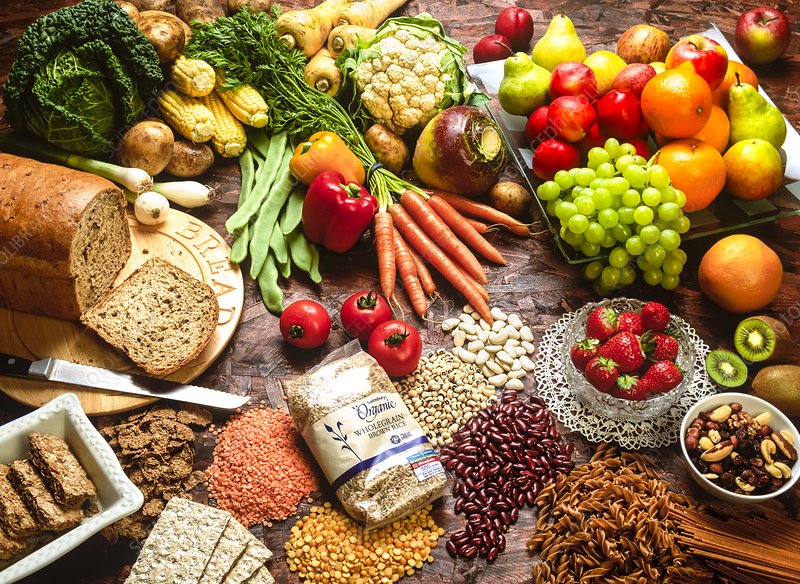
A balanced diet can help maintain a healthy weight, reduce chronic disease risk, and boost immunity. Diets rich in whole foods—such as vegetables, fruits, lean proteins, and whole grains—are consistently linked to better long-term health.
Impact on Mental Health
Nutrients like omega-3 fatty acids, antioxidants, and complex carbohydrates support brain function and emotional stability. Foods with excessive sugar or trans fats can negatively affect mood and focus.
Cultural and Emotional Significance
Food shapes traditions, celebrations, and personal memories. It connects family, establishes identity, and often brings emotional comfort.
Understanding Major Food Categories
1. Fruits and Vegetables
Rich in antioxidants, vitamins, and minerals, they help prevent inflammation and support immunity.
2. Grains
Whole grains provide sustained energy and fiber, while refined grains offer less nutritional value.
3. Protein Sources
Includes plant-based options like beans and tofu, as well as animal sources such as poultry, eggs, and fish. Each offers different nutrients and benefits.
4. Dairy and Alternatives
Supports bone health through calcium and vitamin D. Plant-based alternatives offer lactose-free options with added nutritional benefits.
5. Fats and Oils
Healthy fats—found in nuts, seeds, avocados, and olive oil—support heart and brain health.
Tips for Building a Healthy Plate
Focus on Whole Foods
Choose ingredients with minimal processing to maximize nutrient intake.
Balance Each Meal
Aim for:
-
Half a plate of fruits and vegetables
-
A portion of lean or plant-based protein
-
Whole-grain carbohydrates
-
A source of healthy fat
Stay Hydrated
Water is essential for digestion and energy. Herbal teas and infused water are great additions.
Moderation, Not Restriction
Enjoy your favorite foods thoughtfully. Extreme diets are rarely sustainable and often lack balance.
Mindful Eating
Pay attention to hunger cues, eat slowly, and savor every bite. This enhances satisfaction and helps prevent overeating.
The Future of Food
Advancements in agriculture, sustainability, and technology continue to reshape how food is produced and consumed. Plant-based diets, lab-grown proteins, and eco-friendly packaging are gaining popularity as consumers become more environmentally conscious. The focus is shifting toward nutritious, ethical, and sustainable choices that support both personal and planetary health.
The Venus Packaging shrink packing machine delivers professional shrink-wrap results, helping businesses achieve secure and presentable packaging.
FAQs
1. What is the difference between whole and processed foods?
Whole foods are minimally altered from their natural state, while processed foods often contain additives, flavor enhancers, and preservatives.
2. How can I tell if a food is healthy by reading the label?
Look for short ingredient lists, low added sugars, minimal saturated fat, and recognizable ingredients.
3. Are plant-based diets healthier than diets with meat?
Both can be healthy when balanced. Plant-based diets reduce saturated fat intake, but meat can provide essential nutrients like B12 and iron.
4. How much water should I drink each day?
Most adults need around 2–3 liters daily, though needs vary based on activity level, climate, and health conditions.
5. Are frozen fruits and vegetables as nutritious as fresh ones?
Yes, frozen produce often retains nutrients because it is flash-frozen shortly after harvesting.
6. What are some easy ways to add more vegetables to my diet?
Add them to smoothies, soups, omelets, pasta dishes, or sandwiches.
7. Is snacking unhealthy?
Not necessarily. Healthy snacks—like nuts, yogurt, fruit, or whole-grain crackers—can stabilize energy and prevent overeating.