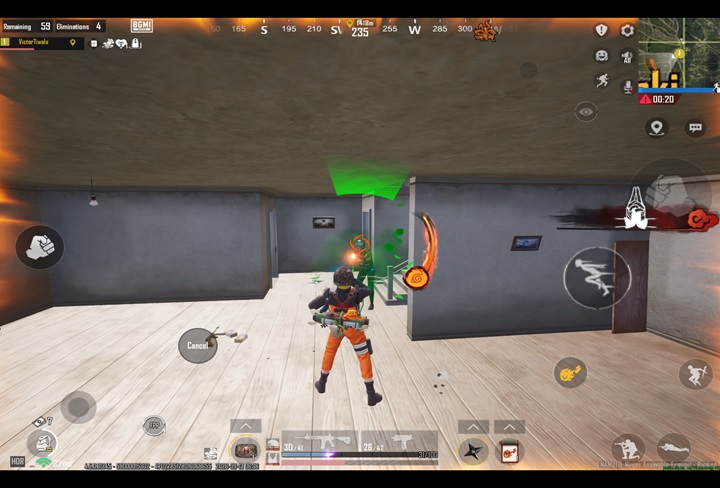
Introduction
Gaming has become one of the most influential forms of entertainment across the globe. From high-speed action titles to immersive open worlds and strategic board games, every great game combines creativity, design mastery, and emotional appeal. Understanding these elements helps both players appreciate games more deeply and creators build better experiences.
Core Elements That Make a Game Great
Engaging Gameplay Mechanics
Strong mechanics form the foundation of every successful game. They determine how players interact with the world and what actions they can perform. Effective gameplay design often includes:
-
Clear rules and objectives
-
Balanced challenges
-
Reward systems that feel earned
-
Smooth and responsive controls
-
Opportunities for strategic or creative decision-making
When mechanics feel intuitive and rewarding, players stay immersed without confusion.
Compelling Storytelling
Not all games feature stories, but those that do rely on narrative strength to drive emotional connection. A memorable story often provides:
-
Relatable or intriguing characters
-
A cohesive world
-
Meaningful choices
-
Emotional arcs
-
A beginning, middle, and satisfying conclusion
Story-rich games keep players invested long after the gameplay sessions end.
Immersive Visual and Audio Design
Graphics and sound are crucial to bringing game worlds to life. Great titles excel through:
-
Unique and consistent art styles
-
Clean user interfaces
-
Detailed environments
-
Dynamic sound effects
-
Music that elevates emotion or tension
Aesthetics do not need photorealism; style and clarity are what ultimately matter.
Balanced Difficulty Curve
Games should challenge players without overwhelming them. A well-crafted difficulty curve includes:
-
A smooth learning phase
-
Gradual introduction of complex mechanics
-
Optionally adjustable difficulty levels
-
Rewarding mastery over time
Games that maintain balance keep players motivated and engaged.
Replay Value
Replayability extends a game’s longevity and appeal. It may come from:
-
Alternate endings
-
Unlockable content
-
Randomized scenarios
-
Character builds or customization
-
Competitive or cooperative multiplayer
Players who find new things on every playthrough remain connected for longer.
Popular Game Genres and What Makes Them Appealing
Action Games
These games emphasize speed, precision, and combat. Their thrill comes from fast-paced gameplay and quick decision-making.
Role-Playing Games (RPGs)
RPGs focus on character progression, storytelling, and exploration. They appeal to players who enjoy long-term development and narrative depth.
Adventure Games
Adventure titles prioritize exploration and puzzle-solving. They often feature rich environments and story-driven quests.
Strategy Games
Strategy games challenge players to think critically, plan ahead, and manage resources. They reward patience, long-term thinking, and creativity.
Simulation Games
These games replicate real-life scenarios, such as city building, farming, or flying. Their appeal lies in freedom and realism.
Multiplayer & Esports Titles
Competitive games thrive on skill-based mechanics, teamwork, and fast decision-making. They often include ranking systems and long-term progression loops.
Why Player Experience Matters
Player experience encompasses emotions, engagement level, and overall satisfaction. Great games:
-
Stimulate curiosity
-
Provide a sense of accomplishment
-
Offer social interaction
-
Encourage exploration
-
Allow freedom of playstyle
Game success ultimately depends on how players feel while playing.
FAQ
1. What is the most important element in game design?
Gameplay mechanics are generally considered the core, as they determine how players interact with the world.
2. Do all great games need a story?
No. Many successful games focus primarily on mechanics, multiplayer, or creativity instead of narrative.
3. How important are graphics in a game’s success?
Graphics matter, but style and clarity often beat realism. Consistency is more important than visual complexity.
4. What makes players stay with a game long-term?
Replay value, ongoing challenges, meaningful rewards, and community engagement contribute to long-term retention.
5. Do indie games follow the same design principles as big-budget games?
Yes, although indie games often experiment more with unique mechanics, art styles, or storytelling techniques.
6. What defines good game balance?
A balanced game offers challenge without frustration, progression without grind, and fairness in both single-player and multiplayer modes.
7. How do sound effects influence gameplay?
Sound cues help players navigate, react to threats, identify items, and feel immersed in the game world.