Key Takeaways
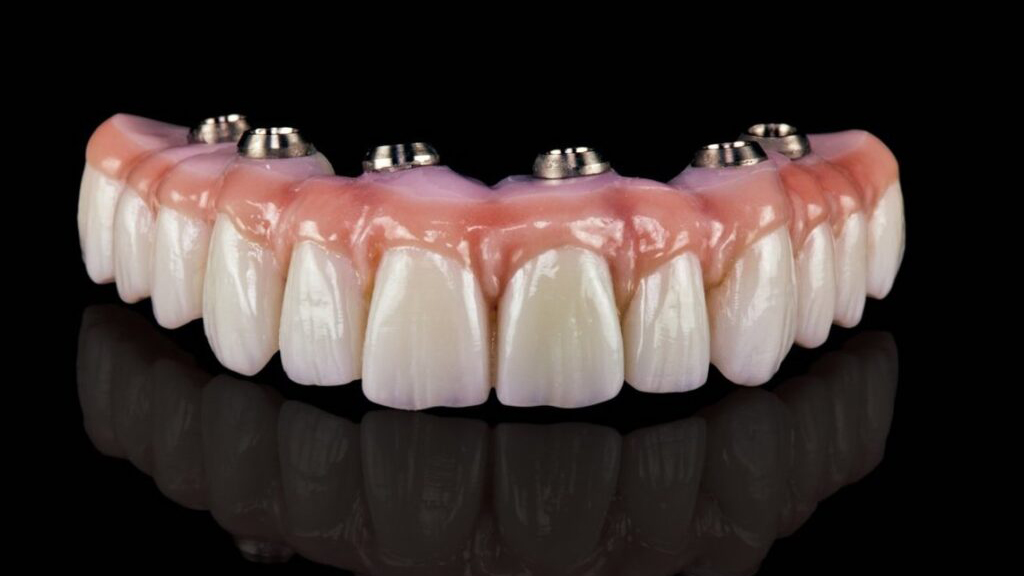
All on 4 implants are mainly constructed from titanium, a metal celebrated for its strength and how well it integrates with your body. However, zirconia is also becoming a popular choice, especially for those focused on aesthetics.
The bridge that connects to the implants is usually made from acrylic for easier adjustments or porcelain for a more appealing look, each material bringing its own advantages and disadvantages.
Durability should be top of mind when choosing implants; investing in higher-quality materials typically means a longer lifespan, which can save you money in the long run, even if the initial price is steeper.
Getting ready for the procedure is critical; you’ll need thorough evaluations, X-rays, and health assessments to determine if you’ll be a good fit for implants.
In the days following the all on 4 implant procedure, discomfort is common. You’ll need to be patient and focus on post-operative care for the best healing outcomes.
All on 4 implants may require adjustments or even replacements as soon as 10-15 years after placement, depending largely on how well you maintain your oral hygiene and keep up with dental check-ups.
It’s important to note that all on 4 implants aren’t suitable for everyone; individuals dealing with uncontrolled diabetes or severe gum disease should definitely consult experts before moving ahead.
The financial commitment for all on 4 implants can be quite substantial, but many find the long-term benefits—improved function and boosted self-confidence—make it worthwhile.
What Are All on 4 Implants Really Made Of?
The Materials Behind the Miracle
When you come across the phrase all on 4 implants, it’s not just about dental technology; it’s precision engineering. These implants face serious forces from chewing, ones that lesser materials can’t handle. Typically, you’ll see titanium as the post material. It’s not just light; it’s incredibly strong and integrates well with your body, so there’s no fighting from your immune system. On the other hand, zirconia is making waves as a stylish alternative, though it often comes with a higher price tag.
Now, onto the bridge that caps the implants—most often, it’s either acrylic or porcelain, or sometimes a combination of both. Acrylic is great for making quick adjustments down the line, while porcelain gives that aesthetic shine we all desire for our smiles.
- Titanium: It’s lightweight and strong, making it the go-to choice.
- Zirconia: It’s increasingly favored due to its visual appeal, although it’s on the pricier side.
- Acrylic: Perfect for adjustments, but less durable.
- Porcelain: Looks fantastic but can be prone to chipping.
No material is without advocates or critics. It’s a delicate balancing act between functionality and aesthetics. If you’re feeling puzzled, just remember you’re in good company.
How Durability Impacts Your Choice
If you’ve been paying attention, you know durability is vital when considering implants. Many people focus only on the upfront cost, but don’t forget about longevity. An implant is truly an investment; you’d want something that endures, right? Sometimes, zinc can corrode over time, which is something you absolutely want to dodge.
“You can pay a little now, or a lot later.”
This statement hits the nail on the head; it’s true that higher-quality materials generally outlast their cheaper counterparts and save you many headaches down the road. I’ve witnessed patients cut corners at the beginning, only to end up regretting their decisions later. Not a fun scenario.
Your Journey: What to Expect Before and After
Preparing for the Procedure: Don’t Be Caught Off Guard
Preparation is key, folks. Many stroll into surgery thinking it’ll be a walk in the park. But don’t be fooled; scheduling your procedure is just scratching the surface. You’ll need comprehensive evaluations, including X-rays and health assessments. Sure, chasing that new smile is exciting, but rushing through these steps is a recipe for disaster.
- Consult an expert: Make sure to see a dental specialist.
- Medical evaluations: Be ready for questions regarding your health background.
- Bone density tests: Critical for confirming enough support for the implants.
Don’t overlook a single detail. Your overall health plays a huge role in how well you recover, so be open and honest. And let’s not ignore the emotional side; this procedure can truly change lives, so it’s wise to keep your expectations grounded.
Real Recovery Time: What Your Dentist Won’t Say
There’s a misconception that recovery from all on 4 implants is a cakewalk. Yes, it’s less invasive than some other procedures, but let’s be real: the first few days can be tough. Expect swelling, discomfort, and maybe even a bit of bruising. That’s just the way it is.
- First week: You’ll want to stick to soft foods.
- Second week: Gradually, things will start returning to normal.
- Full recovery: This could take up to six months.
Getting used to your new teeth is a journey, not a sprint. Patience is essential, my friends. Take good care of your gums, adhere to post-op advice, or you might end up facing the repercussions.
Common Myths About All on 4 Implants Busted
Are They Painful? The Real Scoop
Let’s address the elephant in the room. Are all on 4 implants painful? I hear this from worried patients all the time. Sure, there’s some discomfort involved. But let’s put it in context. Any surgical procedure carries a bit of pain. The silver lining? Dentists often provide sedation, which can help turn potential agony into manageable discomfort. So, not as bad as it sounds!
“Pain is temporary; implants are forever.”
That being said, everyone’s pain tolerance is different. Some bounce back quickly, while others take their time. (I understand.) Pay attention to what your body’s telling you. If anything feels off, reach out to your dentist. Ignoring those signals? Not a wise choice.
How Long Do They Actually Last? Spoiler: Not Forever
Here’s a tough truth: after a handful of years, those implants might need adjustments or—gasp—replacements. Generally, you’re looking at a lifespan of about 10-15 years for all on 4 implants. This lifespan largely depends on how well you maintain them and your oral hygiene routine. Here’s my advice:
- Maintain oral hygiene: Brushing and flossing are essential.
- Regular check-ups: Don’t skip those visits to the dentist.
- Avoid hard foods: No need to push the limits.
Taking care of your implants can significantly boost their longevity. So, treat them well, and they’ll be around for the long haul. Neglect them, however, and you might find yourself facing a root canal. Not anyone’s idea of a good time.
Is All on 4 Right for You? A Critical Self-Assessment
Who Should Absolutely Avoid These Implants?
Let’s be blunt: all on 4 implants aren’t for everyone. Certain individuals should think twice before opting for them. If you have uncontrolled diabetes or severe gum disease, this might not be the best choice for you. Consider your overall health. Behaviors like smoking can further complicate things. Ask yourself these questions:
- How’s your overall health?: Do any chronic issues exist?
- What’s your dental history?: Have you struggled with gum problems?
- Are you ready for commitment?: This will involve some lifestyle changes.
It’s all about having realistic expectations. Not everyone will end up with that dream smile they’re hoping for. Learn when to take the plunge and when to hold back.
Financial Implications: Are They Worth Your Investment?
Ah, the big question. Are all on 4 implants worth it? Let’s get real: the cost can be intimidating. But think of it like investing in your health and confidence for the long term. One implant can set you back anywhere from $3,000 to $6,000, and with four implants, you’re not looking at pocket change.
- Consider the advantages: More confidence and improved functionality.
- Long-term savings: Often cheaper than extensive dental work later.
- Financing options: Many dental practices provide payment plans.
Sure, it’s a sizable investment. But really, can you put a price on self-esteem? I don’t think so. Take time to weigh everything thoroughly. It could pave the way for a more fulfilling dental journey.
FAQ
What happens if I don’t qualify for All on 4 implants?
If you find out you’re not a good candidate for All on 4 implants, don’t despair. There are alternative treatments available, such as traditional dentures or other types of implants. Your dentist can recommend options that fit your specific dental requirements.
Can I switch to All on 4 implants if I have existing dentures?
You bet! If you currently wear dentures, transitioning to All on 4 implants is quite common. Many people discover these implants offer a more stable and comfortable solution. Just be ready for a comprehensive evaluation to make sure your mouth is prepared for this switch.
Are there long-term downsides to All on 4 implants?
One downside may include the potential for future adjustments or replacements. Additionally, if you don’t maintain impeccable oral hygiene, complications can arise. Being careless could lead to infections or even implant failure, and trust me, you don’t want to deal with that mess.
How can I ensure the best results post-surgery?
To secure optimal results, adhere to your dentist’s care plan consistently. This includes maintaining proper oral hygiene, sticking to dietary restrictions during the initial days, and attending all follow-up appointments. These steps are crucial if you want to prolong the life of your implants and keep that dazzling smile intact.
What if I experience severe pain after the procedure?
Don’t just grit your teeth and bear it. Severe pain can indicate a problem, so reach out to your dentist immediately. They’ll assess your condition and advise on pain relief options or recommend further action if necessary.
Do All on 4 implants look natural?
If done correctly, they can look incredibly natural. High-quality materials combined with skilled craftsmanship make a huge difference. Just ensure you choose a reputable implant specialist who can deliver the best results in aesthetics.
What are the most common mistakes people make during recovery?
A key mistake is overlooking post-operative care instructions. Jumping into hard foods too soon or neglecting oral hygiene can cause significant issues. Remember, recovery is the perfect opportunity to take it easy—so follow the guidelines!
How do I find a qualified dentist for All on 4 implants?
Start by asking for recommendations or checking online reviews from past patients. Look for dentists specializing in implants with a solid track record. Don’t underestimate a consultation; it can reveal much about whether they’re the right fit for your needs.
Useful Resources
- American Dental Association– Comprehensive resources on dental health, treatments, and materials.
- Centers for Disease Control and Prevention (CDC) – Oral Health– Information about oral hygiene and overall dental well-being.
- American Academy of Cosmetic Dentistry– Resources for aesthetic dental procedures and advancements.
- American Academy of Periodontology– Insights into gum diseases and their impact on dental treatments.
- National Institute of Dental and Craniofacial Research– Latest findings and publications related to dental health.
- American Dental Association MouthHealthy– Practical tips and resources for maintaining oral health.
- American Academy of Implant Dentistry– In-depth information on dental implants and associated procedures.
- WebMD Oral Health– Articles and advice on various oral health topics, including implants.