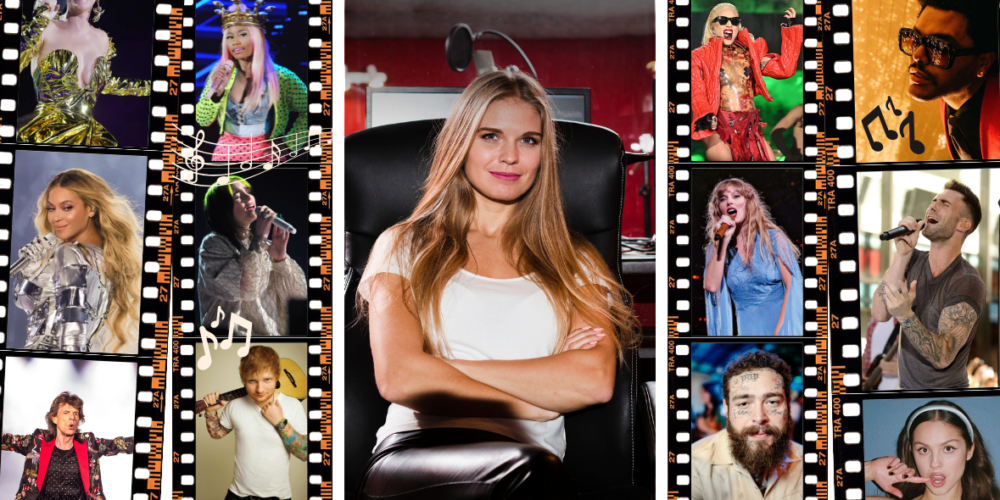
Entertainment has transformed dramatically over the past two decades, reshaping how people consume content, connect with artists, and interact with stories. From blockbuster films and global music sensations to the rise of gaming and influencer-driven culture, today’s entertainment landscape is more dynamic and accessible than ever before.
The Shift Toward On-Demand Viewing
Streaming platforms have completely changed how audiences watch movies and series. Instead of waiting for weekly episodes or theatrical releases, viewers now enjoy:
-
Instant access to vast content libraries
-
Personalized recommendations powered by algorithms
-
High-quality original productions from major platforms
This shift has given indie creators more visibility while pushing traditional studios to innovate their release strategies.
Social Media’s Impact on Celebrity Culture
Social platforms have narrowed the gap between celebrities and their fans, creating direct lines of communication. Stars now use their online presence to:
-
Share behind-the-scenes moments
-
Promote upcoming projects
-
Build personal brands independent of traditional media
For audiences, this brings a sense of authenticity and connection previously unavailable.
The Rise of Gaming as Mainstream Entertainment
Gaming is no longer a niche hobby. It has evolved into a cultural powerhouse influencing music, film, and fashion. Today’s gaming ecosystem includes:
-
Esports competitions watched by millions
-
Narrative-driven titles rivaling Hollywood storytelling
-
Massive multiplayer worlds where players form global communities
The industry’s rapid growth continues to redefine what entertainment can be.
Music in the Age of Global Streaming
The music landscape has undergone a digital revolution. Streaming platforms allow artists from any corner of the world to reach global audiences instantly. Key transformations include:
-
Genre-blending becoming mainstream
-
Viral hits driven by short-form video apps
-
Independent musicians achieving success without major labels
Fans now play an active role in launching songs into global charts through shares, challenges, and collaborative content.
The Increasing Power of Fan Communities
Modern entertainment thrives on community-driven culture. Online fan bases contribute by:
-
Creating theories, edits, and fan art
-
Fueling discussion across platforms
-
Supporting artists through streaming and merchandise
Studios and creators now actively engage with fan communities to shape marketing strategies and long-term storytelling.
Technology’s Role in Future Entertainment
Innovation continues to unlock new possibilities. Emerging trends include:
-
Virtual and augmented reality experiences
-
AI-powered content creation tools
-
Interactive storytelling where viewers influence outcomes
As technology evolves, the boundaries of entertainment will continue to expand.
FAQs
1. What is the main driver behind the shift to streaming entertainment?
The convenience of on-demand access and personalized content has been the primary catalyst for the streaming revolution.
2. How has social media changed celebrity-fan relationships?
It has enabled direct, real-time communication, making interactions feel more personal and authentic.
3. Why is gaming considered part of mainstream entertainment now?
Large audiences, competitive tournaments, and immersive storytelling have elevated gaming into a major global industry.
4. What role do fans play in the success of movies, music, and shows?
Fans amplify content through discussions, sharing, and online engagement, often influencing trends and visibility.
5. How has music distribution changed in the digital era?
Streaming allows artists to reach global audiences instantly without relying solely on physical sales or radio play.
6. What technologies are shaping the future of entertainment?
VR, AR, AI, and interactive platforms are redefining how content is created and experienced.
7. Are traditional media formats like TV and radio still relevant?
Yes, they remain influential, but they now coexist with digital platforms rather than dominating the landscape.