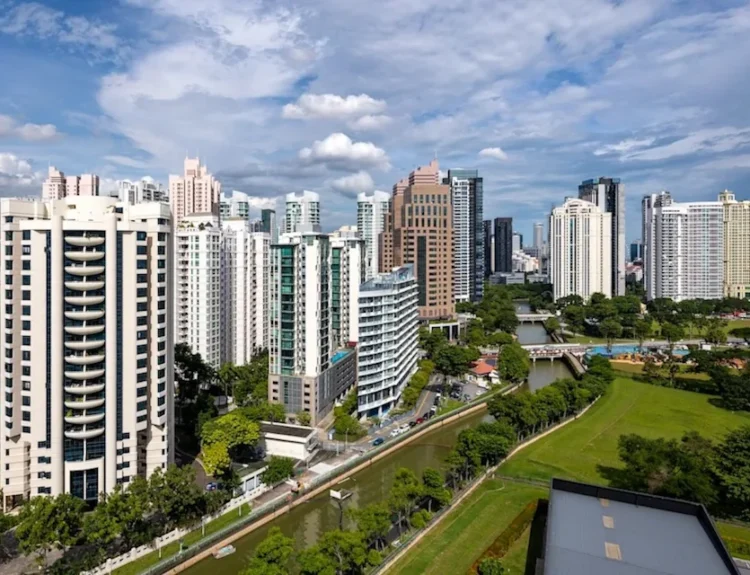
The Singapore residential property market operates within a highly regulated ecosystem influenced by government land sales, population growth projections, cooling measures, and shifting economic indicators. For property buyers, investors, and homeowners navigating this dynamic landscape, staying informed about broader market trends is essential for making prudent long-term decisions. Understanding how supply pipelines interact with housing demand helps stakeholders anticipate price adjustments and identify emerging opportunities across various districts.
Government Land Sales and Housing Supply Pipelines
A primary driver of future housing availability in Singapore is the Government Land Sales programme. Through regular GLS releases, the authorities calibrate the supply of private condominiums, executive condominiums, and commercial-residential mixed-use sites to ensure a stable and sustainable property market.
When new land parcels are awarded, developers formulate bids that reflect market sentiment, construction costs, and anticipated buyer demand. These land prices often set a benchmark for future launch prices within the specific district. For buyers tracking upcoming residential developments, monitoring GLS announcements provides valuable foresight into where new communities are taking shape. For instance, prospective buyers evaluating suburban growth areas can observe how integrated projects in the north—such as the mixed-use development concepts planned around Khatib MRT under initiatives like Chencharu Central Residences, or suburban executive housing options such as Fablewoode Residences—reflect broader urban decentralization strategies and increased suburban liveability.
Demand Drivers: Demographic Shifts and Upgrading Aspirations
Housing demand in Singapore is propelled by steady household formation, immigration policies, and the perpetual aspirations of public housing owners looking to upgrade to private properties. Once HDB owners fulfil their five-year Minimum Occupation Period, a significant portion naturally transitions into the private market seeking upgraded facilities, private condominium living, or larger floor plans.
At the same time, foreign investments and permanent resident housing acquisitions remain subject to robust regulatory controls, notably Additional Buyer’s Stamp Duty rates, which temper speculative foreign demand while safeguarding housing affordability for local citizens. These regulatory guardrails ensure that market demand is primarily driven by genuine owner-occupiers and long-term investors.
Economic Indicators: Interest Rates and Financing Prudence
Macroeconomic factors, particularly interest rate movements and domestic monetary policies, exert a profound influence on property market activity. Fluctuations in benchmark interest rates directly impact mortgage servicing costs, influencing buyer sentiment and loan quantum limits under frameworks like the Total Debt Servicing Ratio and the Mortgage Servicing Ratio.
When financing costs rise, buyers often adopt a more cautious approach, leading to prolonged decision-making timelines and a closer examination of pricing resilience. Conversely, stabilization or easing of interest rates can stimulate renewed interest across both new launches and the resale market. Prospective buyers must stress-test their personal finances against potential interest rate adjustments before committing to any long-term mortgage obligations.
Conclusion
Analysing Singapore property market trends requires a comprehensive view of land supply pipelines, demographic demand drivers, and macroeconomic financing conditions. By maintaining a balanced perspective and adhering to strict financial planning, buyers and investors can navigate market cycles successfully. Always verify current market conditions, regulatory guidelines, and project details with official statutory boards or licensed financial advisors.