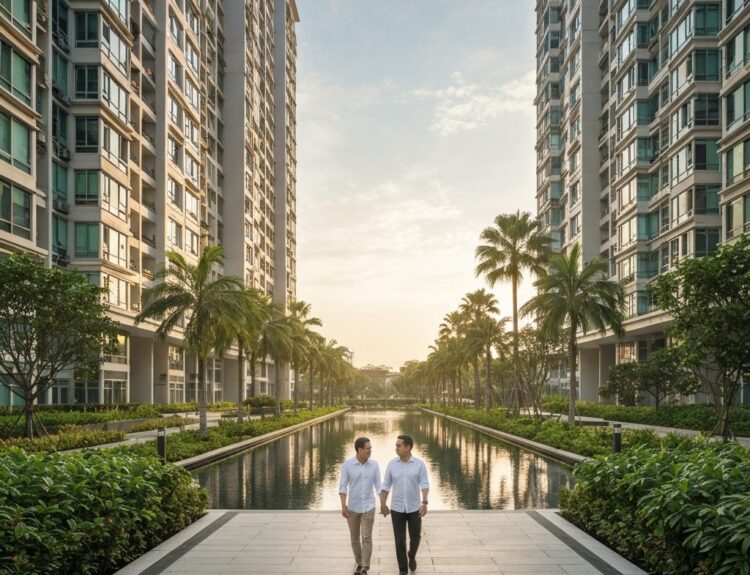
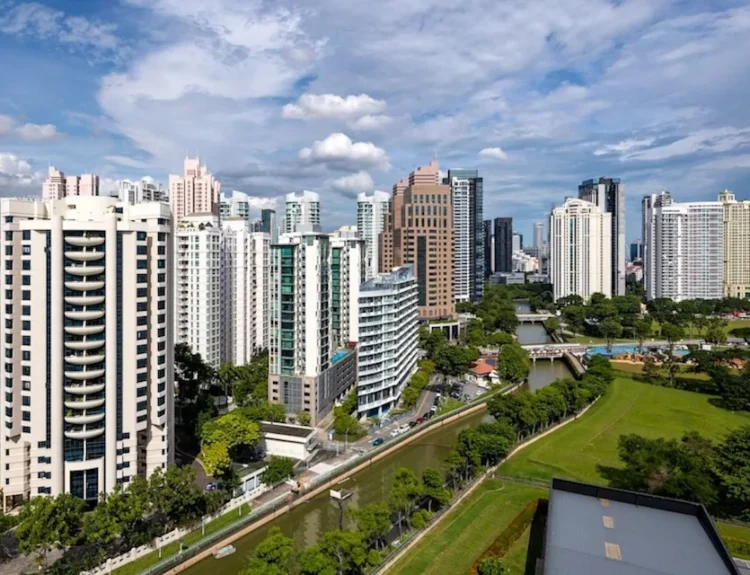
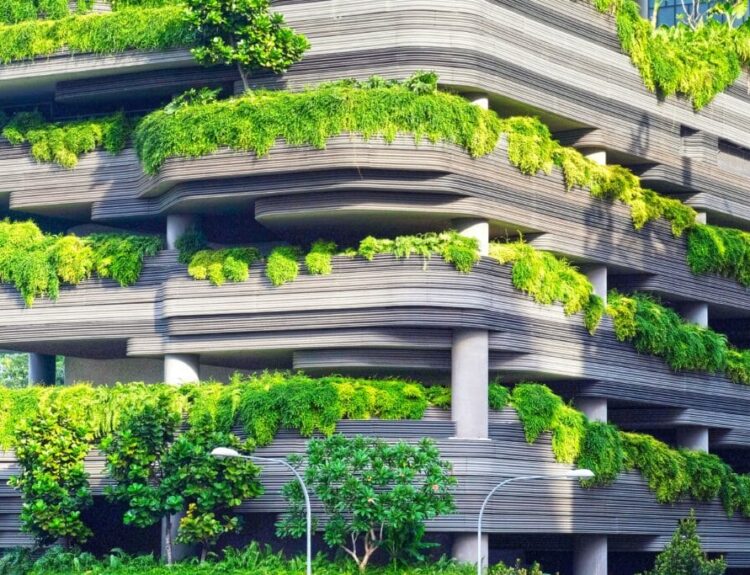
Singapore’s reputation as a modern urban centre does not mean residents must choose between city convenience and access to nature. Parks, landscaped paths, nature reserves, and green public spaces form an important part of the country’s residential environment, offering opportunities for exercise, relaxation, and time outdoors.
For homebuyers, living near greenery can be an appealing prospect. A nearby park may provide a convenient place for morning walks, while accessible outdoor spaces can give families more opportunities to spend time together. However, choosing a home based on its natural surroundings requires more than identifying green areas on a map. Buyers should also consider accessibility, maintenance, transport connections, environmental conditions, and the practical demands of everyday living.
Understanding these factors can help prospective homeowners decide whether a greener residential setting suits their priorities and how it compares with other property options in Singapore.
Why Green Spaces Matter in Residential Living
Access to outdoor environments can influence how residents use their free time. People who enjoy walking, jogging, cycling, or spending time outside may find it easier to maintain these activities when suitable spaces are conveniently accessible from home.
Green spaces can also provide a change of pace from busy roads and densely developed surroundings. A neighbourhood park may serve as a place for casual exercise, reading, meeting friends, or allowing children to play in an outdoor setting.
For households with different schedules, nearby recreational areas can provide flexible options without requiring extensive travel. A short walk before work or an evening visit to a public garden may be easier to incorporate into a routine than a longer journey to a distant destination.
Nevertheless, the benefits depend on personal preferences and actual accessibility. Someone who rarely spends time outdoors may place greater importance on transport connections, shopping facilities, or proximity to work. Another buyer may consider access to parks an essential part of their desired lifestyle.
The important point is to evaluate greenery as one element of a property’s overall suitability rather than assuming that every buyer will value it equally.
Look Beyond the Presence of Greenery on a Map
A residential area may appear green from an aerial image, but that does not automatically mean residents have convenient access to usable outdoor spaces.
Homebuyers should investigate the type of green space available, the routes leading to it, and the facilities provided. A large nature area may offer opportunities for longer walks, while a neighbourhood park may be more suitable for short visits or everyday exercise.
The route between home and the destination matters as well. Buyers should consider pedestrian crossings, footpath conditions, road traffic, lighting, and whether the journey remains comfortable during rainy weather.
It is useful to visit the area in person rather than relying exclusively on promotional images or online maps. A daytime visit can reveal the general environment, while an evening visit may provide a different perspective on lighting, activity levels, and accessibility.
Residents should also distinguish between publicly accessible spaces and landscaped areas that may belong to private developments or have specific access arrangements. Confirming these details helps prevent assumptions about where and when facilities can be used.
Understand the Different Types of Green Environments
Not all green spaces serve the same purpose. Understanding their differences can help buyers identify a neighbourhood that matches their interests.
Neighbourhood parks often support casual recreation, family activities, and short exercise sessions. Larger parks may offer more extensive walking routes, sports facilities, or designated activity areas, depending on their individual features.
Nature reserves and conservation areas provide a different experience. They may appeal to people who enjoy observing wildlife, exploring trails, or spending time in natural environments. However, access arrangements, permitted activities, and visitor guidance can vary, so buyers should consult official information before planning regular visits.
Landscaped paths and green corridors may connect different parts of a neighbourhood. Their usefulness depends on route continuity, crossing points, and whether they connect conveniently to everyday destinations.
Homebuyers should consider which environments they are most likely to use. A family that wants a place for weekend outings may have different requirements from a resident who prefers a short walking route before starting the workday.
How Linktown Residences Fits Into a Nature-Conscious Property Search
When researching Linktown Residences, prospective buyers can apply a nature-conscious evaluation framework to understand whether a residential option aligns with their preferred lifestyle. The first step is to verify the property’s precise location and establish which outdoor spaces are genuinely accessible from it.
Rather than relying on general descriptions of greenery, buyers should identify relevant parks, public paths, recreational areas, and other outdoor destinations using reliable mapping and official information. They should then consider actual walking routes, transport requirements, and the amount of time needed to reach these places.
For example, someone who enjoys daily exercise may prefer an outdoor route that is practical before or after work. A household with young children may be more interested in accessible play areas and comfortable pedestrian connections. A resident who enjoys nature photography may prioritise access to more extensive natural environments, even if reaching them requires additional planning.
These preferences should be considered alongside the property’s other characteristics, including layout, budget, transport access, and household requirements. A green setting may be attractive, but it should not compensate for fundamental shortcomings in affordability or practical convenience.
Any claims about views, landscaping, nearby parks, or development-specific features should be verified rather than inferred from the development name. This approach allows Linktown Residences to be assessed consistently alongside other residential choices.
Consider Environmental Comfort Before Making a Decision
Living near greenery can offer lifestyle advantages, but the surrounding environment should be examined as a whole. Trees, landscaped spaces, water features, and open areas can contribute to the character of a neighbourhood, yet other environmental factors may also affect daily comfort.
Noise is one consideration. Roads, recreational facilities, construction activity, and nearby commercial areas may generate sounds at different times of day. A property viewing during a quiet period may not reveal the conditions residents experience during peak hours or weekends.
Sunlight and ventilation deserve attention too. Buyers should observe the orientation of living spaces, window placement, and the amount of direct sunlight entering the home at different times. These factors may affect indoor comfort and cooling requirements.
Singapore’s tropical climate also makes sheltered pedestrian routes particularly useful. Buyers who intend to walk frequently should assess how practical their preferred journeys are during hot weather or heavy rain.
In areas near natural habitats, residents may also encounter insects or other wildlife. The extent of this experience depends on the location and surroundings. Buyers should consider their comfort levels and inspect the immediate environment rather than making assumptions based on general descriptions of green living.
Explore Lentor Signature Through a Green-Living Perspective
Lentor Signature can be considered as part of a broader assessment of how residential choices relate to outdoor recreation, neighbourhood character, and everyday accessibility. For buyers who value green living, the key is to establish the property’s actual location and investigate the surrounding environment before drawing conclusions.
Begin by identifying the outdoor spaces that matter most to your household. These may include public parks, walking routes, nature areas, or places for exercise and family activities. Confirm their locations and accessibility through reliable sources, and examine whether the routes suit your preferred travel method.
Next, consider how outdoor recreation fits into your daily schedule. A destination that is convenient for a weekend outing may be less practical for a short morning walk if reaching it requires a lengthy journey. Conversely, a simple neighbourhood path may be more useful for residents who value frequent, shorter outdoor activities.
The assessment should also account for transport, shopping, healthcare access, and other essential requirements. A property that supports outdoor interests but creates substantial inconvenience elsewhere may not offer the right overall balance for a particular household.
When evaluating Lentor Signature, prospective buyers should verify relevant property information and avoid assuming that specific parks, views, facilities, or walking connections are included or immediately accessible without evidence. The goal is to establish how the actual location aligns with personal preferences.
Does Living Near Nature Affect Property Value?
Green surroundings may form part of a property’s appeal, but their relationship with market value is not straightforward. Buyers should be cautious about assuming that proximity to a park or nature area automatically leads to stronger price growth or superior investment performance.
A property’s market position depends on numerous factors, including location, transport accessibility, property condition, layout, tenure, supply, demand, and wider economic conditions. The characteristics of the nearby green space may also matter, as different buyers value different types of outdoor environments.
A home beside a popular recreational area may attract residents who prioritise outdoor activities. Another buyer may prefer a quieter location with fewer visitors or greater separation from public activity. The same environmental characteristic can therefore be perceived differently depending on individual preferences.
Anyone assessing a property for investment purposes should examine comparable transactions, current market conditions, and relevant property data rather than relying on general lifestyle claims.
For owner-occupiers, it may be more useful to consider the personal benefits of accessible outdoor spaces alongside the property’s complete financial picture. A feature that improves daily enjoyment can be valuable even when its specific contribution to resale value cannot be isolated.
Evaluate Neighbourhood Development and Future Green Plans
Singapore’s residential environment can change as land use, transport networks, and public spaces evolve. Proposed infrastructure or green-space improvements may influence how a neighbourhood develops, but buyers should distinguish between existing facilities, confirmed projects, and longer-term proposals.
Official planning resources can help clarify the status of relevant developments. Prospective purchasers should check whether a proposed park, path, or transport connection has been formally announced, is under construction, or is already operational.
They should also recognise that future changes may involve trade-offs. New infrastructure can improve accessibility while construction temporarily affects noise levels or pedestrian routes. Changes in surrounding land use may also alter traffic patterns or neighbourhood activity.
It is therefore sensible to assess the current environment independently of potential future improvements. A property should remain suitable based on verified present-day conditions rather than relying on an uncertain promise of future convenience.
For buyers who expect to own their home for many years, understanding documented planning information can add useful context to the decision without turning speculation into a financial assumption.
Create a Practical Green-Living Checklist
Before choosing a home based on its surroundings, buyers can use a straightforward checklist to assess whether outdoor access genuinely suits their needs.
- Identify preferred activities: Decide whether walking, jogging, cycling, family outings, or nature observation matters most.
- Verify nearby destinations: Confirm the locations and access arrangements of parks and recreational spaces.
- Test the routes: Examine walking conditions, crossings, lighting, shelter, and transport connections.
- Visit at different times: Observe traffic, noise, pedestrian activity, and general environmental conditions.
- Consider daily convenience: Determine whether outdoor spaces fit naturally into regular routines.
- Review the complete budget: Balance lifestyle preferences with purchase costs and ongoing household expenses.
- Verify future plans: Use official sources to distinguish existing facilities from proposed developments.
This process can help buyers evaluate green surroundings realistically while maintaining a balanced view of their overall housing requirements.
Conclusion: Find the Right Balance Between Nature and Urban Living
Green spaces can contribute to a more enjoyable residential lifestyle by providing opportunities for exercise, relaxation, and time outdoors. However, the benefits depend on accessibility, personal preferences, environmental conditions, and the relationship between outdoor destinations and everyday routines.
For Singapore homebuyers, the most effective approach is to examine the neighbourhood as carefully as the property itself. This includes verifying nearby green spaces, testing practical routes, considering environmental comfort, and evaluating the location alongside transport, affordability, and other essential needs.
Whether exploring Linktown Residences or Lentor Signature, prospective purchasers should base their decisions on verified information and realistic expectations rather than unconfirmed claims about greenery or lifestyle advantages.
Ultimately, successful green living is not simply about choosing a home surrounded by trees. It is about finding a residential environment where access to nature complements the practical demands of everyday life, creating a home that supports both personal well-being and long-term living needs.